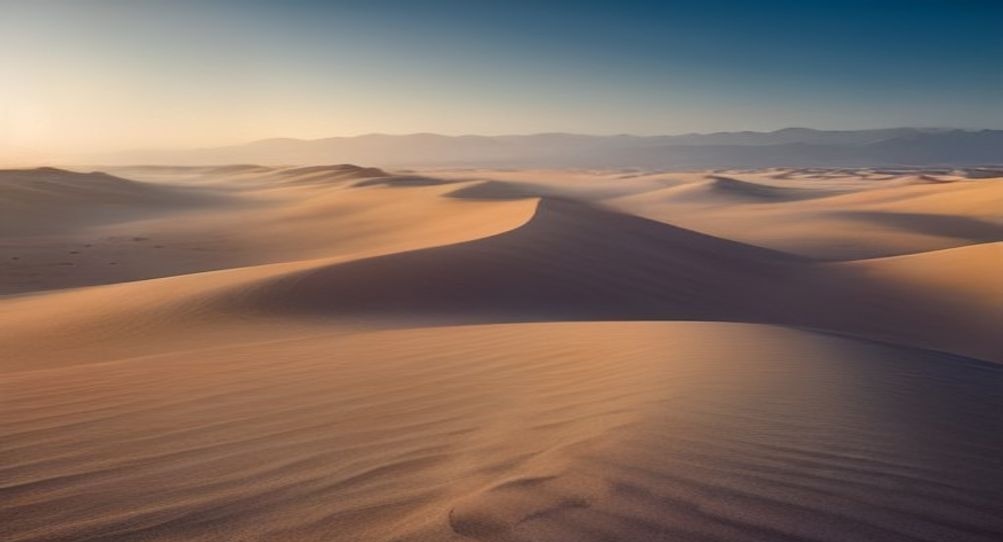
The arid deserts of the American Southwest—the Sonoran, Mojave, Chihuahuan, and Great Basin deserts—represent some of the most physiologically hostile landscapes on Earth. Surface sand temperatures frequently exceed 140°F (60°C), atmospheric humidity hovers near single digits, and standing liquid water is practically non-existent for months at a time. For small ectothermic animals with exceptionally high surface-area-to-volume ratios, extreme desert conditions should cause rapid thermal denaturation and fatal desiccation within minutes. Yet arthropods not only survive in North American deserts; they are among the most ecologically dominant organisms on the dunes. Through revolutionary adaptations including epicuticular lipid waxes, subelytral condensation cavities, stilt locomotion, and metabolic water synthesis, desert insects conquer extreme heat and aridity.
Executive Desert Ecology Summary
- Cuticular Wax Barriers: Desert insects coat their exoskeletons with high-melting-point long-chain hydrocarbons (wax esters) that prevent cuticular water evaporation up to 130°F.
- Subelytral Sealed Cavities: Darkling beetles (Tenebrionidae) have permanently fused elytra that seal off abdominal spiracles, creating an isolated, humid breathing chamber.
- Thermal Stilt Locomotion: By elevating their body 5 to 10 millimeters above the sand on elongated legs, desert beetles and ants escape the superheated boundary layer of the soil.
- Metabolic Water Harvesting: Desert arthropods derive up to 100 percent of their physiological water from the metabolic oxidation of dry carbohydrates during cellular respiration.
Table of Contents
- 1. The Thermodynamic Challenge of Arid Environments
- 2. Epicuticular Hydrocarbons: The Impermeable Wax Armor
- 3. Darkling Beetles (Tenebrionidae): Fused Elytra & Subelytral Physics
- 4. Desert Ants (Cataglyphis & Pogonomyrmex): Thermal Stilt Sprinting
- 5. Water Without Drinking: Fog-Basking and Metabolic Oxidation
- 6. Desert Adaptation Strategies Comparison Matrix
- 7. Frequently Asked Questions (FAQ)
- 8. Summary of Arid Invertebrate Engineering
1. The Thermodynamic Challenge of Arid Environments
In hot deserts, physical thermodynamics work relentlessly against insect survival. Because of their tiny body size, insects possess an exceptionally high ratio of surface area to internal volume. In practical terms, this means that heat transfers rapidly into their tissues from the environment, while internal water reserves are prone to lightning-fast evaporative dissipation.
The desert sand surface acts as a thermal radiator. On a summer afternoon in Death Valley or the Sonoran Desert when air temperature at eye level is 110°F (43°C), the sand surface absorbs solar radiation, skyrocketing to an astonishing 150°F to 160°F (65°C to 71°C)—temperatures that instantly coagulate proteins and melt cell membranes. To survive, desert arthropods must regulate both water flux (preventing desiccation) and heat flux (preventing lethal thermal shock) through specialized anatomical and behavioral mechanics.
2. Epicuticular Hydrocarbons: The Impermeable Wax Armor
The outermost barrier shielding a desert insect from desiccating air is the epicuticle—a microscopic cuticular layer less than 2 micrometers thick coated with a complex chemical mixture of hydrocarbons, fatty acids, and wax esters. In temperate insects, cuticular waxes melt at moderate temperatures (around 85°F to 95°F), causing the cuticle to suddenly become permeable to water vapor.
Desert insects, by contrast, synthesize unique long-chain, methyl-branched alkanes containing 31 to 45 carbon atoms. These elongated, branched lipid molecules pack tightly together in crystalline arrays, raising the cuticular transition (melting) temperature to over 125°F to 140°F (52°C to 60°C). Furthermore, many desert beetles (such as the blue death-feigning beetle, Asbolus verrucosus, of the southwestern US) secrete a powdery, wax bloom over their entire dorsal surface. This whitish-blue wax layer serves a dual purpose: it acts as a waterproof vapor seal and reflects intense solar infrared radiation, reducing heat load by up to twenty-five percent.
3. Darkling Beetles (Tenebrionidae): Fused Elytra & Subelytral Physics
Darkling beetles (family Tenebrionidae) are the undisputed kings of the North American desert floor. Species such as the desert stink beetle (Eleodes spp.) have completely surrendered powered flight to achieve the ultimate in desiccation resistance.
Through evolutionary deep time, the elytra of desert tenebrionids have permanently fused together along the dorsal midline and fused laterally to the abdominal pleural plates, creating an airtight biological seal. The membranous hindwings have been completely lost. Beneath this rigid armored dome lies the subelytral cavity. All abdominal respiratory spiracles open directly into this isolated chamber rather than to the harsh outside air. When the beetle breathes, water vapor escaping from the spiracles is trapped within the enclosed space, maintaining an internal humidity near 100 percent. The beetle regulates gas exchange through discontinuous gas exchange cycles (DGC): keeping the spiracles tightly shut for hours and opening them only in brief nocturnal bursts, reducing respiratory water loss by over ninety percent compared to open-spiracle insects.
4. Desert Ants (Cataglyphis & Pogonomyrmex): Thermal Stilt Sprinting
While most desert animals seek subterranean shelter during the blazing midday sun, desert harvester ants (Pogonomyrmex) and Saharan/Sonoran silver ants (genus Cataglyphis) forage at thermal extremes that would kill any other animal. They employ an ingenious mechanical trick: thermal stilt locomotion.
Above any hot sand surface lies a steep micro-thermal gradient: the sand itself may measure 145°F (63°C), but just 4 millimeters above the sand, air temperature drops by 15°F to 20°F. By possessing elongated, stilt-like legs, desert ants elevate their cephalothorax and abdomen above the superheated boundary layer into the cooler micro-zone. Furthermore, they run at astonishing speeds—covering up to 100 body lengths per second—minimizing contact time with the burning soil. During foraging runs, workers periodically pause and climb up dry grass stems or pebbles to “thermally unload,” radiating excess heat into the breeze before resuming their sprint.
5. Water Without Drinking: Fog-Basking and Metabolic Oxidation
Standing water in hyper-arid sand seas is virtually non-existent. How do desert arthropods maintain hydration? They harvest water from the air and from their own chemistry:
Fog-Basking Hydrophilic Chemistry
In coastal deserts (such as the Namib and Baja California), morning ocean fogs roll across the dunes. Darkling beetles (such as Stenocara and native desert tenebrionids) perform fog-basking: the beetle stands on the crest of a dune at a 45-degree angle, facing into the wind with its abdomen tilted skyward. The beetle’s elytra feature microscopic hydrophilic (water-attracting) bumps surrounded by hydrophobic (water-repelling) waxy troughs. Fog droplets condense onto the hydrophilic peaks; once the droplet reaches critical mass, it detaches and rolls down the waxy troughs directly into the beetle’s waiting mouthparts.
Metabolic Water Synthesis
Inland desert insects (such as harvester ants and mealworms) rarely drink liquid water. Instead, they derive 100 percent of their water needs from metabolic water. During the cellular oxidation of dry carbohydrate seeds (such as starch and glucose) during cellular respiration:
C₆H₁₂O₆ + 6 O₂ → 6 CO₂ + 6 H₂O
For every 1 gram of carbohydrate metabolized, the insect’s mitochondria synthesize 0.6 grams of pure physiological water. By combining metabolic water synthesis with hyper-efficient Malpighian tubules that excrete nitrogenous waste as completely dry uric acid crystals, desert insects maintain positive water balance without ever drinking a single drop of rain.
6. Desert Adaptation Strategies Comparison Matrix
The table below summarizes the morphological, physiological, and behavioral adaptations deployed by desert arthropods to withstand arid extremes.
7. Frequently Asked Questions (FAQ)
Why do desert stink beetles stand on their heads when threatened?
When approached by a predator (such as a grasshopper mouse or roadrunner), darkling beetles of the genus Eleodes perform an iconic headstand: elevating their rear abdomen into the air. If the predator continues to approach, the beetle sprays a foul-smelling, caustic secretion containing quinones from its anal glands, which causes intense burning to the predator’s eyes and mouth.
How deep do desert harvester ants dig their nests?
Desert harvester ant colonies construct subterranean engineering wonders, excavating vertical shafts and chambers that reach depths of 10 to 15 feet (3 to 4.5 meters) beneath the desert floor. Deep underground, temperatures remain a stable 70°F to 75°F year-round with elevated humidity, allowing the queen and brood to thrive far below the scorched surface.
Why are blue death-feigning beetles so popular as pets?
The blue death-feigning beetle (Asbolus verrucosus), native to the southwestern US deserts, has become exceptionally popular in captive terrariums. Because of their heavy wax armor and fused elytra, they are completely flightless, produce zero odor, cannot bite, require zero drinking water (feeding on carrot slices or dry dog food), and can live up to 10 to 15 years in captivity.
8. Summary of Arid Invertebrate Engineering
The adaptations displayed by desert arthropods represent some of the most elegant examples of natural biomimetic engineering on Earth. By turning their exoskeletons into moisture-trapping thermos bottles, standing on thermal stilts, and synthesizing hydration from dry seeds, desert insects illustrate the boundless capacity of life to conquer planetary extremes.
Key Takeaways for Field Naturalists
- High-melting-point cuticular waxes seal water vapor inside desert insect bodies up to 140°F.
- Fused elytra create an internal subelytral chamber that isolates breathing spiracles from desiccating winds.
- Elongated legs allow desert ants and beetles to avoid the searing heat of the soil surface.
- Metabolic water generated from cellular respiration allows desert insects to survive without drinking rain.