Urban and Suburban Insect Ecosystems: Biodiversity in American Backyards, Green Roofs, and Parks
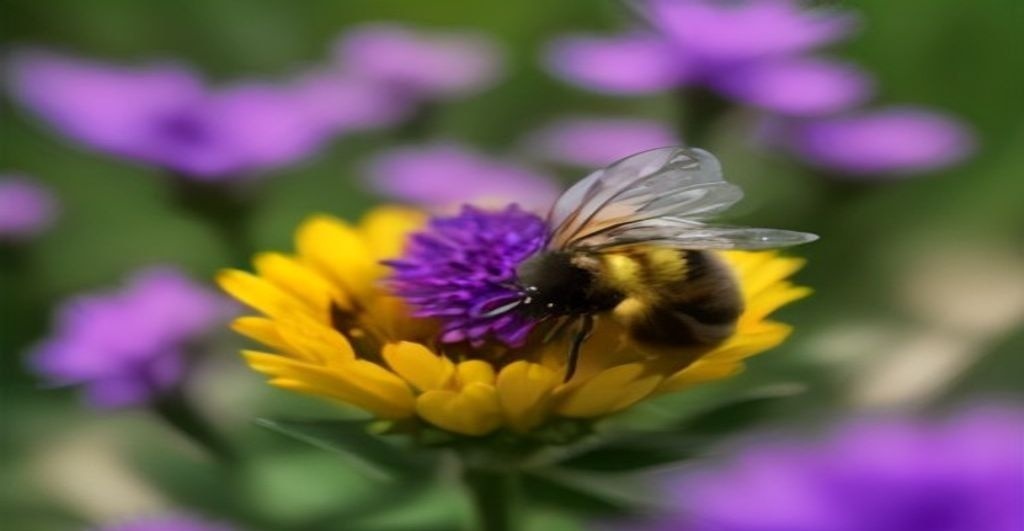
As urban sprawl transforms millions of acres of wild forest and native prairie into concrete infrastructure, asphalt roadways, and manicured suburban turfgrass, a fundamental ecological question arises: can insect biodiversity survive in modern human cities? Traditional conservation models historically viewed urban centers as ecological wastelands. However, pioneering entomological field research across major American metropolitan areas—from … Read more


Desert Arthropod Adaptations: How Darkling Beetles and Ants Conquer Extreme Heat and Aridity

The arid deserts of the American Southwest—the Sonoran, Mojave, Chihuahuan, and Great Basin deserts—represent some of the most physiologically hostile landscapes on Earth. Surface sand temperatures frequently exceed 140°F (60°C), atmospheric humidity hovers near single digits, and standing liquid water is practically non-existent for months at a time. For small ectothermic animals with exceptionally high … Read more

Freshwater Aquatic Insects: Mayfly, Stonefly, and Caddisfly Nymphs as Bioindicators of Stream Health

Rushing mountain streams, gravelly riffles, and winding cold-water rivers across North America appear crystal clear to the naked eye. Yet determining whether a freshwater watershed is truly ecologically healthy requires looking beneath the stones. In environmental science, the definitive gold standard for assessing water quality is not expensive chemical sensors, but the benthic macroinvertebrates living … Read more

Forest Floor Microhabitats: The Hidden World of Leaf Litter, Rotten Logs, and Soil Aerators

Beneath the majestic canopies of North America’s temperate deciduous and boreal forests lies a subterranean metropolis that sustains the entire woodland ecosystem: the forest floor. While hikers admire towering oaks, maples, and pines, over seventy percent of all animal biodiversity in the forest resides within the top two inches of decaying leaf litter, organic humus, … Read more