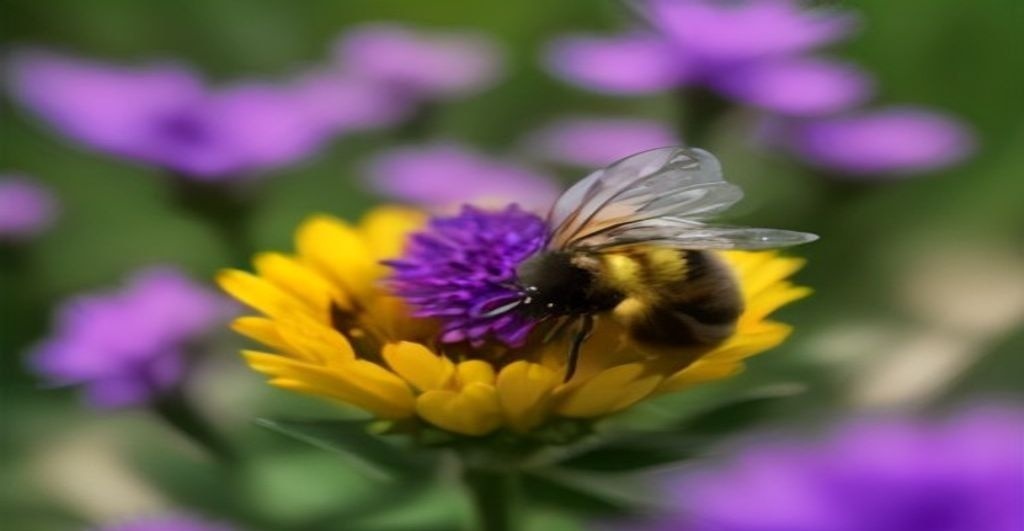
As urban sprawl transforms millions of acres of wild forest and native prairie into concrete infrastructure, asphalt roadways, and manicured suburban turfgrass, a fundamental ecological question arises: can insect biodiversity survive in modern human cities? Traditional conservation models historically viewed urban centers as ecological wastelands. However, pioneering entomological field research across major American metropolitan areas—from New York City and Chicago to Seattle and Austin—reveals that backyards, urban community gardens, green roofs, and remnant municipal parks harbor surprisingly vibrant invertebrate ecosystems. Understanding how insects adapt to urban heat islands, artificial light at night (ALAN), and fragmented micro-corridors provides a roadmap for transforming American suburbs into thriving sanctuaries for native wildlife.
Executive Urban Biodiversity Summary
- Suburban Lawns as Green Deserts: Over 40 million acres of monoculture turfgrass in the US provide virtually zero floral nectar or larval host plants, requiring heavy pesticide inputs that suppress native biodiversity.
- Native Bees in Cities: More than 4,000 native bee species inhabit North America; urban floral diversity can support dozens of native solitary ground-nesting and cavity-nesting species in micro-patches.
- Urban Heat Island (UHI) Effects: Elevated city temperatures accelerate insect metabolic rates and lengthen breeding seasons, favoring thermophilic species while disadvantaging cold-adapted specialists.
- Green Roof Stepping Stones: Vegetated building rooftops function as elevated ecological islands, offering pesticide-free foraging waypoints for flying pollinators navigating urban canyons.
Table of Contents
- 1. The Urban Jungle: How Cities Reshape Invertebrate Ecology
- 2. The Suburban Lawn: Transforming “Green Deserts” into Pollinator Corridors
- 3. Solitary Native Bees: The Overlooked Backyard Pollinators
- 4. Green Roofs and Rooftop Sanctuaries: Biodiversity in the Sky
- 5. The Ecological Toll of Artificial Light at Night (ALAN)
- 6. Suburban Lawn vs. Native Pollinator Habitat Matrix
- 7. Frequently Asked Questions (FAQ)
- 8. Actionable Backyard Conservation Strategies
1. The Urban Jungle: How Cities Reshape Invertebrate Ecology
Modern cities present an unprecedented ecological matrix. Impervious concrete and asphalt surfaces prevent rainwater infiltration, fragment natural soil profiles, and amplify ambient temperatures through the Urban Heat Island (UHI) effect. In major metropolitan areas, downtown temperatures can hover 5°F to 10°F warmer than surrounding rural countryside.
For insects, this environmental transformation acts as an intense evolutionary filter. Large-bodied, low-mobility insects requiring vast continuous forest tracts (such as giant silkmoths and flightless carabid beetles) decline rapidly in urban cores. Conversely, small, vagile generalists with high reproductive rates—such as sweat bees (Halictidae), hoverflies (Syrphidae), and jumping spiders (Salticidae)—often thrive, exploiting micro-patches of floral resources scattered across residential yards, cemetery gardens, and median flowerbeds.
2. The Suburban Lawn: Transforming “Green Deserts” into Pollinator Corridors
In the United States, residential turfgrass lawns cover more than 40 million acres—an area larger than the entire state of Georgia. While visually verdant, a traditional manicured Kentucky bluegrass or Bermudagrass lawn is an ecological desert. Maintained through synthetic chemical fertilizers, broadleaf herbicides that eradicate flowering clover and dandelions, and routine mowing that severs plant stems, lawn monocultures provide virtually zero pollen, nectar, or sheltering habitat for native wildlife.
Fortunately, a growing conservation movement is transforming suburban landscapes into biodiverse ecological stepping stones. By replacing turfgrass with native perennial wildflowers (such as coneflowers, asters, goldenrod, and bee balm), homeowners create rich foraging corridors. Entomological surveys demonstrate that converting just 20 to 30 percent of a residential lawn into native plantings can increase backyard pollinator species richness by more than three hundred percent, providing essential foraging waypoints that connect isolated forest preserves across suburban matrices.
3. Solitary Native Bees: The Overlooked Backyard Pollinators
When most Americans think of bees, they picture the European honeybee (Apis mellifera) living in a wooden hive box with a queen and workers. However, honeybees are an introduced livestock species imported from Europe in the 1600s. North America is home to more than 4,000 native wild bee species, and over ninety percent of them are completely solitary and non-aggressive!
Ground-Nesters and Cavity-Dwellers
- Ground-Nesting Bees (70% of species): Mining bees (Andrenidae) and sweat bees (Halictidae) dig slender vertical tunnels into bare, undisturbed garden soil. The female excavates underground brood chambers, provisions each chamber with a ball of pollen and nectar, lays a single egg, and seals the chamber. They have no colony or honey to defend, making them virtually incapable of stinging humans.
- Cavity-Nesting Bees (30% of species): Mason bees (Osmia) and leafcutter bees (Megachile) build nests inside hollow plant stems, beetle boreholes in dead wood, or backyard bee hotels. Mason bees use damp mud to construct partitions between egg cells, while leafcutters cut neat circular discs from rose and redbud leaves to wrap their brood capsules like tiny botanical cigars.
4. Green Roofs and Rooftop Sanctuaries: Biodiversity in the Sky
In dense urban centers like New York City, Toronto, and Chicago, green roofs (extensive vegetated rooftops) are emerging as high-altitude biodiversity havens. Perched 5 to 50 stories above traffic fumes, green roofs planted with drought-hardy native sedums, chives, and wildflowers offer pristine, pesticide-free foraging grounds.
Research led by urban ecologists has documented dozens of native bee species, hoverflies, ladybugs, and migratory butterflies (including Monarchs and Painted Ladies) foraging on downtown green roofs. These skyward green islands serve as crucial resting stops for migrating insects traversing expansive urban canyons, demonstrating that urban architectural design can actively support ecological restoration.
5. The Ecological Toll of Artificial Light at Night (ALAN)
While urban landscaping can provide food, one pervasive urban pollutant silently decimates insect populations: Artificial Light at Night (ALAN). For over 300 million years, nocturnal insects have navigated using transverse orientation—keeping celestial light sources (the moon and stars) at a constant angle to fly in a straight path.
Bright artificial streetlights, security floodlights, and porch lamps disorient nocturnal moths, beetles, and lacewings, causing them to circle lamps endlessly until they drop dead from exhaustion, fall prey to waiting bats and toads, or fail to mate. Furthermore, artificial light disrupts firefly bioluminescent mating flashes and alters circadian rhythms in developing larvae. Mitigating ALAN is remarkably simple: replacing bright white and blue outdoor LEDs with warm yellow LEDs (above 2200K wavelength), utilizing motion-activated sensors, and installing fully shielded down-fixtures that prevent light from spilling upward into the night sky.
6. Suburban Lawn vs. Native Pollinator Habitat Matrix
The comparative table below illustrates the ecological divergence between a conventional chemical-treated lawn and a native conservation garden.
7. Frequently Asked Questions (FAQ)
Will planting a pollinator garden increase the risk of getting stung?
No. The vast majority of insects visiting backyard flowers are native solitary bees, butterflies, and hoverflies. Solitary bees (such as mason and mining bees) have no queen or hive to defend and are docile; they will not sting even if you gently touch them. Painful stings in yards are almost exclusively caused by social yellowjackets (wasps) nesting in ground holes or eaves, which are scavengers attracted to human meat and sugary sodas, not flower gardens.
Why are hoverflies so common in urban gardens and are they harmful?
Hoverflies (family Syrphidae) are among the most beneficial insects in urban areas. While they sport yellow and black stripes to mimic stinging wasps (Batesian mimicry), they are true flies: they have zero stinger and are completely harmless to humans. Adult hoverflies are important pollinators, and their tiny green larvae are voracious predators, consuming hundreds of garden-damaging aphids per week.
What is the single best change a homeowner can make for insect conservation?
The single most impactful step is to eliminate cosmetic synthetic insecticides and plant native flowering perennials that bloom sequentially from early spring through late autumn. Incorporating a keystone tree species (such as a native oak tree, which supports over 500 species of native caterpillars) creates an entire terrestrial ecosystem right in your backyard.
8. Actionable Backyard Conservation Strategies
Every American homeowner, school, and corporate campus holds the potential to contribute directly to continental wildlife conservation. By embracing the principles of native landscaping, reducing light pollution, and leaving leaf mulch in garden beds, we can transform fragmented urban concrete jungles into vibrant ecological corridors that sustain the indispensable invertebrate foundation of North America.
Key Takeaways for Field Naturalists
- Suburban lawns occupy over 40 million acres in the US; replacing lawn with native flowers restores biodiversity.
- Over 70% of North America’s 4,000 native bee species nest in bare ground and never sting humans.
- Green roofs serve as critical pesticide-free stepping stones for pollinators traversing urban canyons.
- Switching outdoor lighting to warm yellow LEDs prevents the fatal disorientation of nocturnal insects.