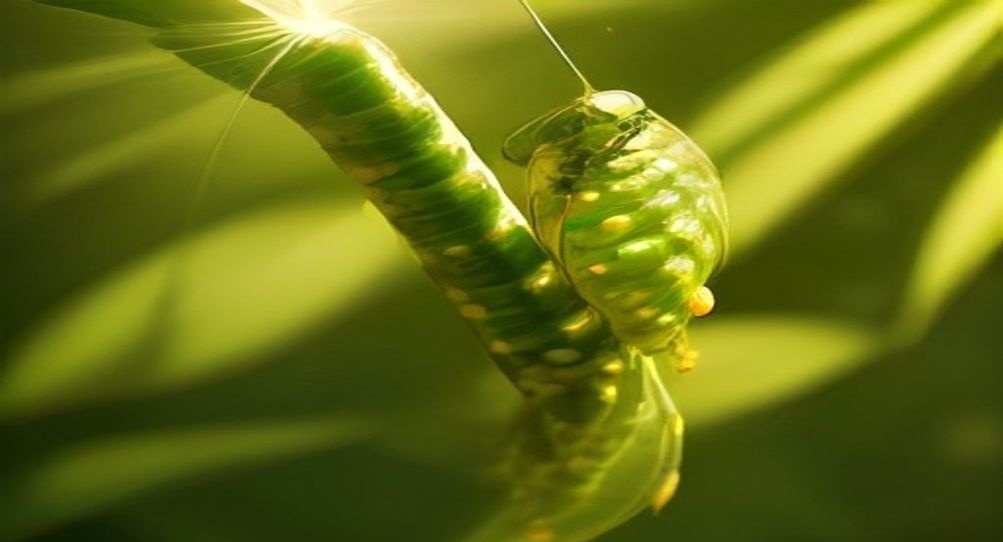
Metamorphosis represents one of the most radical biological transformations in the animal kingdom. Rather than growing continuously through simple cellular expansion, an insect must periodically shed its rigid chitinous exoskeleton to increase in size, often transforming fundamentally in form, physiology, and ecological function between juvenile and adult stages. In evolutionary entomology, this transformative journey is categorized into two grand developmental pathways: holometabolism (complete metamorphosis) and hemimetabolism (incomplete or gradual metamorphosis). Understanding the endocrine cascades, morphological transitions, and evolutionary trade-offs between these two developmental paradigms explains why holometabolous insects account for more than eighty percent of all animal species on Earth today.
Executive Developmental Summary
- Four Stages vs. Three Stages: Holometabolous insects develop through four distinct phases (Egg → Larva → Pupa → Adult), whereas hemimetabolous insects undergo three stages (Egg → Nymph → Adult).
- Niche Partitioning: Complete metamorphosis decouples larval feeding from adult reproduction, preventing parent-offspring resource competition and allowing specialized anatomical adaptation for each phase.
- Hormonal Master Switches: Molting is orchestrated by the interplay between 20-hydroxyecdysone (initiating cuticular apolysis and ecdysis) and Juvenile Hormone (JH, dictating the larval versus adult character of the molt).
- Histolysis and Imaginal Discs: During the pupal stage, specialized clusters of quiescent embryonic cells (imaginal discs) rebuild adult wings, compound eyes, legs, and reproductive organs while larval tissues undergo programmatic enzymatic dissolution.
Table of Contents
- 1. Evolutionary Origins of Insect Metamorphosis
- 2. Hemimetabolous Development: Gradual Nymphal Growth
- 3. Holometabolous Mastery: The Pupal Chrysalis Revolution
- 4. The Endocrine Orchestra: Ecdysone, PTTH, and Juvenile Hormone
- 5. Imaginal Discs and Cellular Histolysis Mechanics
- 6. Complete vs. Incomplete Metamorphosis Detailed Matrix
- 7. Frequently Asked Questions (FAQ)
- 8. Ecological Implications & Takeaways
1. Evolutionary Origins of Insect Metamorphosis
The earliest hexapods of the Silurian and early Devonian periods, such as modern silverfish and bristletails (subclass Apterygota), exhibited ametabolous development: they hatched from eggs looking like tiny adults and continued to molt throughout their entire adult lives without ever developing wings or changing body proportions. However, with the evolution of powered flight in the Carboniferous period, insects faced an anatomical conundrum: wings are delicate, complex cuticular structures that cannot easily be molted once fully formed.
To resolve this, winged insects (Pterygota) evolved developmental checkpoints where wing expansion was delayed until the final molt. The ancestral solution was hemimetabolism (incomplete metamorphosis), observed in ancient orders like Orthoptera (grasshoppers), Odonata (dragonflies), and Blattodea (cockroaches). Later, during the late Carboniferous and early Permian roughly 300 million years ago, a revolutionary evolutionary mutation gave rise to holometabolism (complete metamorphosis). By inserting an inactive pupal stage between the feeding larva and reproductive imago, holometabolous insects achieved unprecedented ecological flexibility, sparking an evolutionary explosion that produced beetles, butterflies, wasps, and flies.
2. Hemimetabolous Development: Gradual Nymphal Growth
Hemimetabolous development—also called paurometabolous when juveniles and adults occupy identical terrestrial habitats—follows a direct, three-stage life cycle: Egg → Nymph → Adult (Imago). When the egg hatches, the emerging first-instar nymph possesses the fundamental body plan of the adult: it has the same tagmata, three pairs of thoracic walking legs, compound eyes, and identical feeding mouthparts. For example, a newly hatched praying mantis nymph closely resembles a miniature adult mantis and immediately begins hunting fruit flies and aphids.
Growth occurs through successive molts (instars). In hemimetabolous species, wing development is exopterygote: external wing pads appear on the dorsal thorax around the third or fourth instar and gradually elongate with each successive molt. Reproductive organs remain dormant until the final molt (ecdysis), at which point the insect expands fully functional flight wings and attains sexual maturity. Because nymphs and adults often consume identical host plants or prey, hemimetabolous populations can experience intense intraspecific competition during droughts or seasonal food shortages.
Aquatic Hemimetabolism (Hemimetabolous Incomplete with Naiads)
In aquatic orders such as Odonata (dragonflies and damselflies), Ephemeroptera (mayflies), and Plecoptera (stoneflies), incomplete metamorphosis is often designated as hemimetabolism sensu stricto. Here, the juvenile is termed a naiad or aquatic nymph. The naiad possesses specialized aquatic adaptations—such as tracheal gills, prehensile labial masks, or flattened streamlining bodies—that differ dramatically from the winged, aerial adult, demonstrating that incomplete metamorphosis can also achieve significant ecological niche partitioning between life stages.
3. Holometabolous Mastery: The Pupal Chrysalis Revolution
In holometabolous insects (endopterygotes), development occurs across four distinct stages: Egg → Larva → Pupa → Adult. The larva is a specialized, cylindrical biological eating machine optimized entirely for nutrient intake and biomass accumulation. Larvae often lack compound eyes (possessing simple stemmata), possess soft, expandable cuticles, and feature specialized mouthparts completely distinct from the adult form (e.g., chewing caterpillars vs. nectar-sipping butterflies).
The evolutionary magic occurs within the pupa (termed a chrysalis in butterflies, or sheltered within a silken cocoon in many moths and wasps). The pupal stage is far from a dormant sleep; it is a period of intense biochemical and anatomical reconstruction. Within the pupal case, larval organs that are no longer needed undergo programmed cell death (histolysis), while clusters of undifferentiated progenitor cells build the adult anatomy from scratch.
4. The Endocrine Orchestra: Ecdysone, PTTH, and Juvenile Hormone
Insect metamorphosis is governed by an exquisite hormonal feedback circuit involving three primary endocrine regulators:
1. Prothoracicotropic Hormone (PTTH)
Synthesized by neurosecretory cells in the brain and stored in the corpora cardiaca, PTTH is released in response to physiological cues such as critical body weight, photoperiod, and circadian rhythms. PTTH travels through the hemolymph to stimulate the prothoracic glands.
2. Ecdysone (20-Hydroxyecdysone)
Upon stimulation by PTTH, the prothoracic glands synthesize and secrete ecdysone, which peripheral tissues convert into its active steroid form, 20-hydroxyecdysone (20E). Ecdysone binds to nuclear receptors across epidermal cells, triggering apolysis (separation of the old cuticle from the epidermis) and initiating the synthesis of a new cuticular layer beneath.
3. Juvenile Hormone (JH)
Secreted by the paired corpora allata glands near the brain, Juvenile Hormone acts as the “status quo” hormone. When JH titers in the hemolymph are high, an ecdysone surge stimulates a larva-to-larva molt (e.g., from 3rd instar to 4th instar). In the final larval instar, JH titers drop precipitously. When ecdysone pulses in the near-total absence of JH, the insect initiates pupation. In the adult, JH is synthesized again to regulate ovarian maturation and pheromone production.
5. Imaginal Discs and Cellular Histolysis Mechanics
Inside the pupa of a holometabolous insect, such as a monarch caterpillar or fruit fly (Drosophila), the organism undergoes complete biological re-engineering. Specialized immune-like hemocytes and lysosomal enzymes break down the larval digestive tract, salivary glands, and body wall musculature in a process termed histolysis. The broken-down larval proteins and fats are reduced to a nutrient-rich cellular soup.
Floating within this nutrient fluid are dormant embryonic cell groupings called imaginal discs, which formed during early embryogenesis and remained quiescent beneath the larval skin. Different imaginal discs are pre-programmed to construct specific adult structures: one pair will form the compound eyes and antennae, two pairs will form the wings, three pairs will develop into walking legs, and genital discs will build the reproductive machinery. Fueled by the nutrients derived from dissolved larval tissues, the imaginal cells divide rapidly, folding and extending outward into the adult form within days.
6. Complete vs. Incomplete Metamorphosis Detailed Matrix
The comparative matrix below delineates the fundamental biological differences between holometabolous and hemimetabolous developmental systems.
7. Frequently Asked Questions (FAQ)
Does an insect feel pain during pupation?
Insects do not possess mammalian pain receptors (nociceptors linked to emotional suffering), though they do possess sensory neurons that detect noxious thermal and mechanical damage. During pupation, the nervous system undergoes reorganization rather than total liquefaction; key mushroom body neurons in the brain are preserved, allowing adult moths to retain memories and olfactory conditioning learned during their caterpillar stage.
Why do insects have to molt to grow?
Insects are encased in a rigid external exoskeleton made of chitin and sclerotized cuticular proteins. While this exoskeleton provides superb defense against physical trauma and desiccation, it cannot expand once hardened. Consequently, an insect can only increase in physical dimensions by shedding the old, tight cuticle in a process called ecdysis, inflating its new flexible cuticle with air or hemolymph before it cures and hardens.
What is the evolutionary benefit of complete metamorphosis over incomplete?
The primary benefit is ecological niche partitioning. Caterpillars spend their entire existence eating milkweed leaves with chewing jaws, while adult butterflies drink nectar from distant flowers through a siphon. This eliminates intraspecific competition between parents and offspring, allowing larvae to evolve purely as biomass-gaining feeders and adults to evolve purely as aerial genetic dispersers.
8. Ecological Implications & Takeaways
The evolutionary divergence between holometabolous and hemimetabolous life cycles fundamentally structures terrestrial food webs. Hemimetabolous nymphs provide a continuous, year-round food source for insectivorous birds and small mammals, while holometabolous insects produce seasonal pulses of biomass—such as the synchronous spring emergence of billions of caterpillars—that coincide precisely with avian breeding migrations across North America.
Key Takeaways for Field Naturalists
- If an insect passes through a pupa or cocoon stage, it is holometabolous and its wings develop internally via imaginal discs.
- If an insect hatches looking like a mini adult with visible growing external wing pads, it is hemimetabolous.
- Hormonal balance between ecdysone (initiating molting) and Juvenile Hormone (maintaining larval status) dictates every developmental transition.
- Holometabolism represents one of the greatest evolutionary breakthroughs in Earth’s history, enabling insects to conquer over 80 percent of animal biodiversity.